


Blog
The Science of Dosing: Irradiance vs Fluence in Biological Outcomes

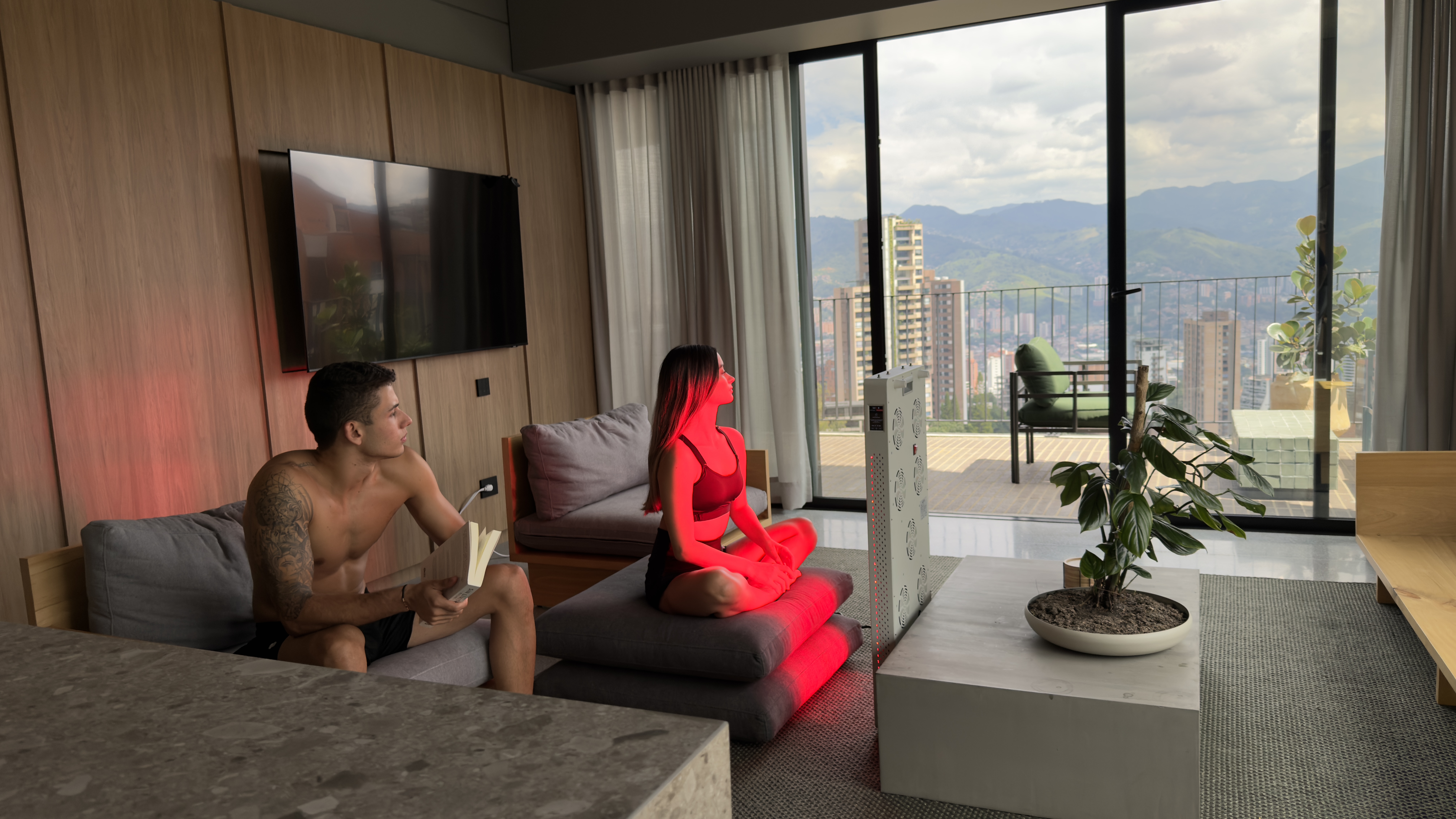
The Science of Dosing: Why Biological Outcomes Depend on Precision
Irradiance vs fluence is a critical concept in understanding red light therapy, which has gained widespread attention for its ability to support cellular function, recovery, and overall wellness. However, one of the most important—and often misunderstood—factors behind effective red light therapy is dosing precision. In biological systems, results are not driven by exposure alone, but by how accurately light energy is delivered.
At the core of this concept is the dose–response relationship, a foundational principle in biology.When red and near-infrared light reaches cells, the cells respond differently based on the intensity, duration, and distance of exposure. Too little light may produce minimal effects, while excessive exposure can reduce effectiveness. The optimal biological response occurs only within a specific therapeutic window.
Red light therapy works by delivering precise wavelengths that interact with cellular components, particularly within mitochondria. These interactions influence energy production and cellular signaling. However, these processes are highly sensitive. Factors such as irradiance (light intensity), treatment time, and frequency all contribute to the total dose received by the body. Even small variations in these parameters can change how cells respond.
This is why precision-engineered red light machines matter. High-quality devices are designed to deliver consistent wavelengths and controlled output, ensuring users receive a reliable and repeatable dose. Precision dosing not only improves effectiveness but also enhances safety, allowing users to confidently incorporate red light therapy into their wellness routines.
Individual factors also play a role. Skin type, treatment area, and intended use can influence how light is absorbed and utilized. Understanding proper dosing guidelines helps users maximize benefits while avoiding unnecessary exposure. This science-driven approach separates professional-grade red light therapy systems from generic lighting solutions.
Ultimately, the science of dosing reinforces a simple truth: more is not always better—precision is. Understanding irradiance vs fluence helps clarify why accurate output and controlled exposure matter in red light therapy. By using red light machines built around these principles, users can support consistent biological responses and better long-term outcomes. Precision transforms red light therapy from a trend into a dependable, science-based wellness technology.