


Blog
When Red Light Therapy Feels “Off”: Rethinking Detox, Dose, and Signal Quality

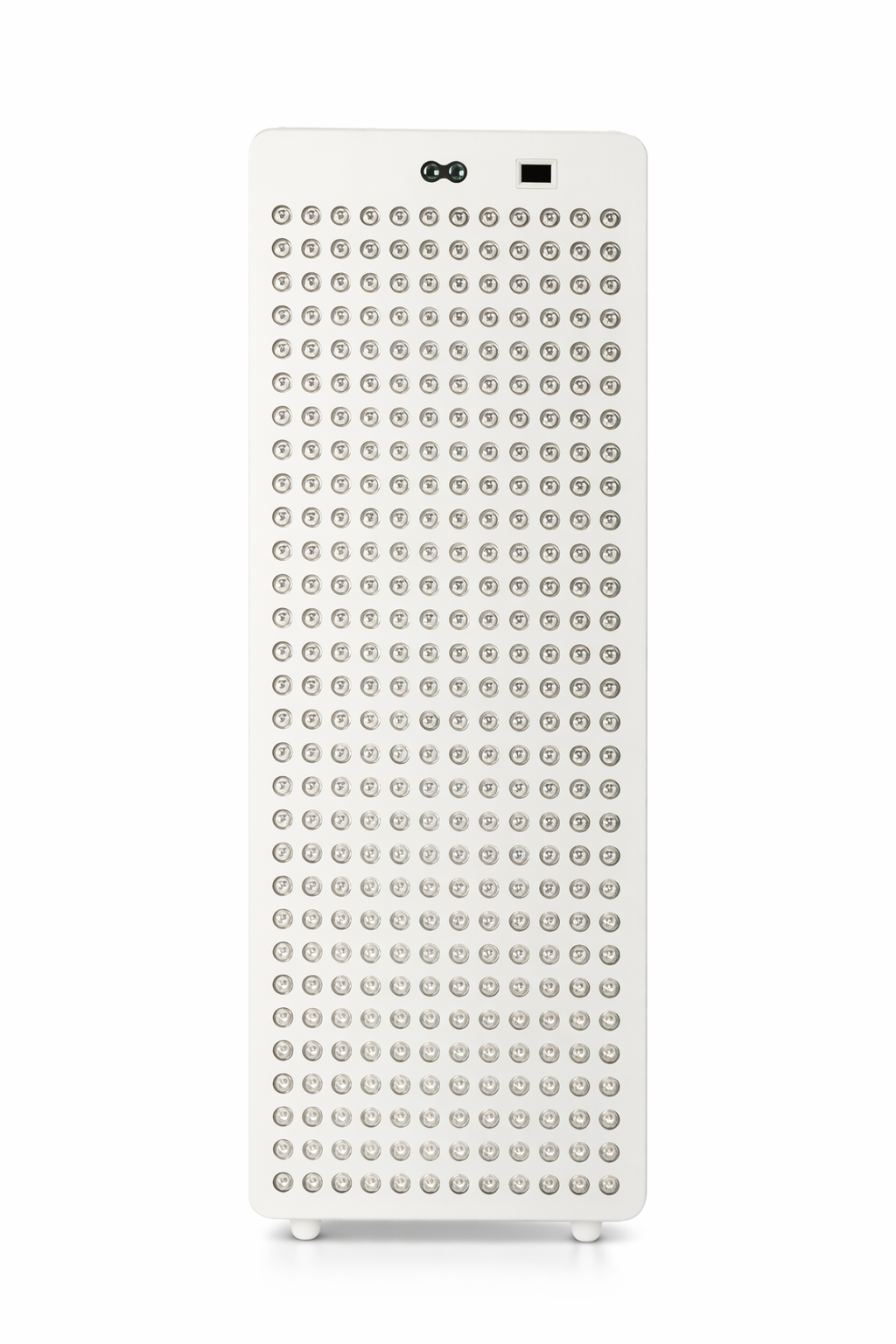
In recent discussions surrounding these reactions, a theoretical paper titled “The Bioenergetic Cost of RLT: PBM Amplification and Resource Divergence in Terrain-Vulnerable Systems” has been shared in forums as a possible explanation. The paper proposes that photobiomodulation (PBM) may amplify biological signaling in systems that are already metabolically stressed, potentially revealing underlying limitations rather than directly causing harm.
While this is an interesting conceptual framework, it’s worth stepping back and examining what decades of clinical PBM research—and practical engineering experience—actually show.
PBM Is Not Detox Therapy
First, an important clarification:
“Detox reactions” are not a recognized mechanism in photobiomodulation science.
Clinical PBM literature does not describe toxin release, die-off responses, or detox cascades triggered by light exposure. Instead, PBM works by influencing cellular signaling—particularly mitochondrial activity—through very specific combinations of:
- Wavelength
- Irradiance (mW/cm²)
- Time (minutes)
- Signal stability
When symptoms occur, they are far more consistently linked to how light is delivered, not to detoxification.
Dose Matters — and Time Is the Dose
One point the recent paper indirectly reinforces is something researchers have known for years:
Light therapy is not about power alone.
In PBM, irradiance and time work together. Clinical studies do not rely on arbitrarily short sessions or maximum output. Instead, they use carefully balanced exposure times and moderate irradiance levels to stimulate beneficial biological responses without overstimulation.
This balance—power and timing—is what researchers establish in controlled lab settings. Deviating from it can change the biological response entirely.
An Overlooked Factor: Signal Stability (Flicker)
One variable that receives far less attention in online discussions—but plays a major role in user comfort—is temporal stability of the light output, often referred to as flicker.
Even when flicker is not visibly perceptible, unstable light delivery can:
- Stress neural pathways
- Trigger headaches or pressure sensations
- Increase sympathetic nervous system activation
- Create discomfort that users may misinterpret as a “reaction”
Neural tissue is particularly sensitive to temporal light artifacts. This is why medical-grade and research-grade PBM devices prioritize stable, constant-current power delivery rather than inexpensive, ripple-prone solutions.
In controlled PBM studies, light is delivered with stable output, not fluctuating peaks and valleys.
When Symptoms Appear, It’s Often a Delivery Issue
The theoretical paper suggests that PBM may “amplify” biological demand in already stressed systems. That idea is not incompatible with established science—but it does not require a detox explanation.
A simpler, more evidence-aligned interpretation is this:
When light delivery is unstable, excessive, or poorly matched to clinical parameters, the nervous system notices first.
Headaches, discomfort, or agitation are far more consistent with:
- Excessive peak irradiance
- Improper session timing
- Electrical ripple or flicker
- Inconsistent output as the device heats up
These are engineering and dosing problems—not detox phenomena.
Why Clinical Alignment Matters
This is why many modern PBM researchers emphasize replicating clinical conditions, not exceeding them.
That means:
- Using irradiance levels shown to be effective in studies
- Matching exposure times used in research
- Ensuring output remains stable from start to finish
- Eliminating flicker and power instability
When these conditions are met, PBM is generally well tolerated and predictable—exactly as the clinical literature suggests.
A More Grounded Way to Interpret “Negative Reactions”
Instead of asking:
“What is my body detoxing?”
A more useful question is:
“Was the dose and delivery aligned with how PBM was studied?”
Moving the Conversation Forward
Red light therapy is a powerful tool when used thoughtfully. As the field matures, the conversation should move beyond folklore explanations and toward:
- Precision
- Reproducibility
- Clinical grounding
- Engineering integrity
When light therapy feels right, it’s usually because the dose is right and the signal is clean.
That’s not detox.
That’s good science.
Traditional panels started the movement. We’re building on it with precision.